The Developmental Assessment
A finished draft is an achievement. A revised one is the work.
Sculpt your novel with insightful, compassionate feedback and concrete recommendations – grounded in story craft, not guesswork – from an editor who understands your vision.
You finished the draft. And after the initial high of achievement, you might be feeling… heavier.
You expected typing The End to bring some sense of what to do next. Instead, you’re staring at a complete manuscript and realising you don’t actually know how to move forward with it.
Or maybe you did know at first.
You had feedback from critique partners, or notes that your drafting self made along the way. You might even have self-edited a few drafts. (I’ve worked with authors who were on Rewrite #10 when they came to me.)
But even though you’ve learned a lot from the process, the story still isn’t where you want it to be. More time away from the draft and more notes don’t feel like the answer this time.
Not because you’re afraid of (more) revision or unwilling to work.
But because everything in the story now feels connected, like a house of cards. Every possible change seems to raise three new questions.
So you circle – rereading sections, making notes you’re not sure how to act on, fixing small things because they’re concrete, even though you suspect the real issues are bigger.
This is the stage most writers aren’t prepared for.
It’s an uncomfortable place to be. Partly because the work has outgrown the tools you used to get the draft done. Partly because you’ve reached the first stage you can’t do well alone.
You need someone with fresh eyes, deep knowledge of story craft, and a genuine familiarity with your genre—someone who can explain where to focus, which problems actually matter, and how much change is enough.
That’s where support like the Developmental Assessment comes in.
It worked for these published authors…
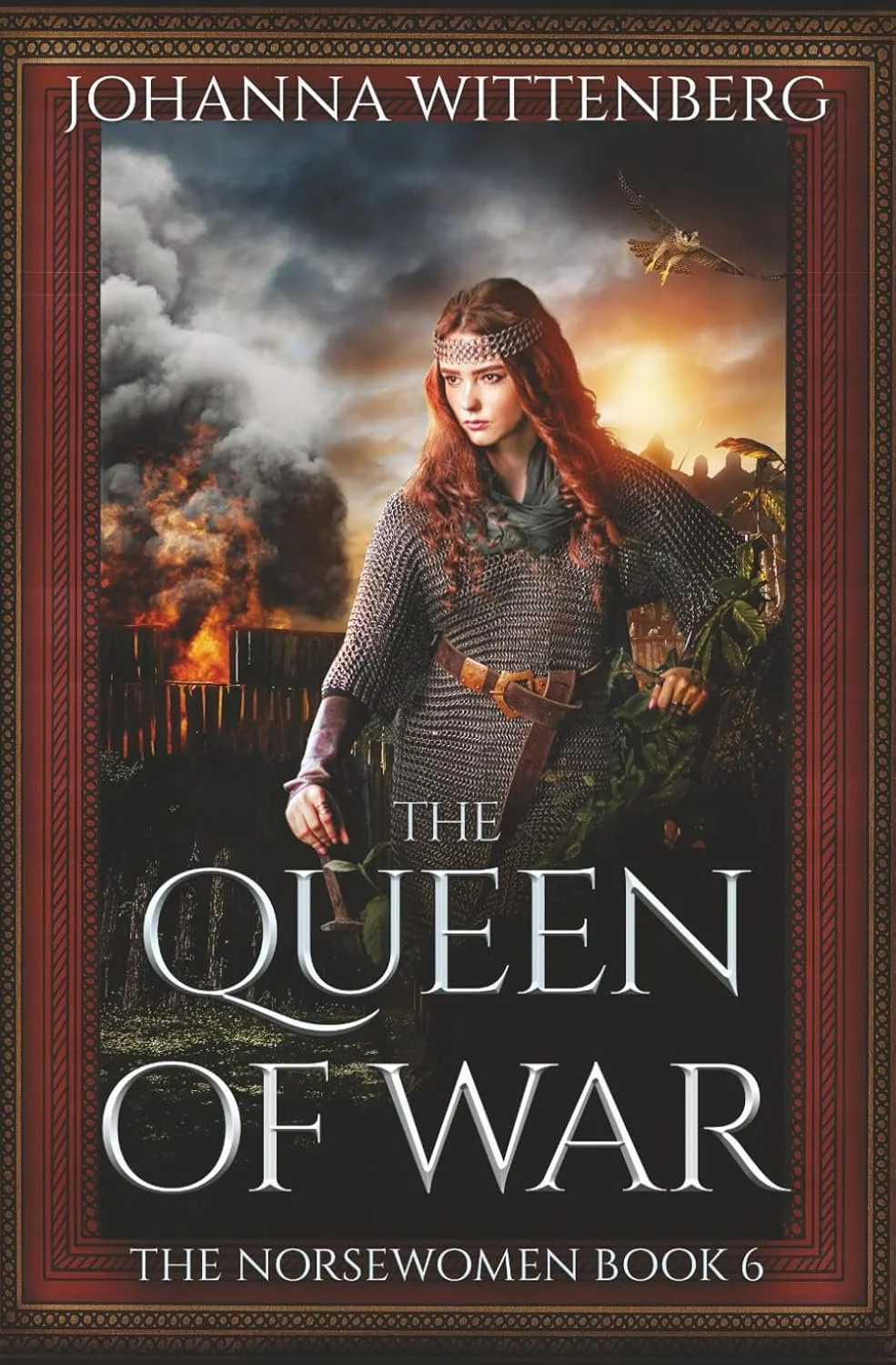
Historical fantasy author Johanna Wittenberg’s Norsewomen series continues to sell strongly, with excellent reviews.
‘It’s been my pleasure to work with Kahina on developmental edits for several books in my Norsewomen series, and I recommend her highly. Her passion for history and deep knowledge of both historical and fantasy genres shine through in every edit she has provided.
Kahina has an amazing ability to pinpoint both the strengths and opportunities in my manuscripts, always offering insightful feedback and suggestions that assist me in delivering a polished, captivating story. If you’re looking for an editor who understands historical fiction and fantasy inside and out, Kahina is an excellent choice.’
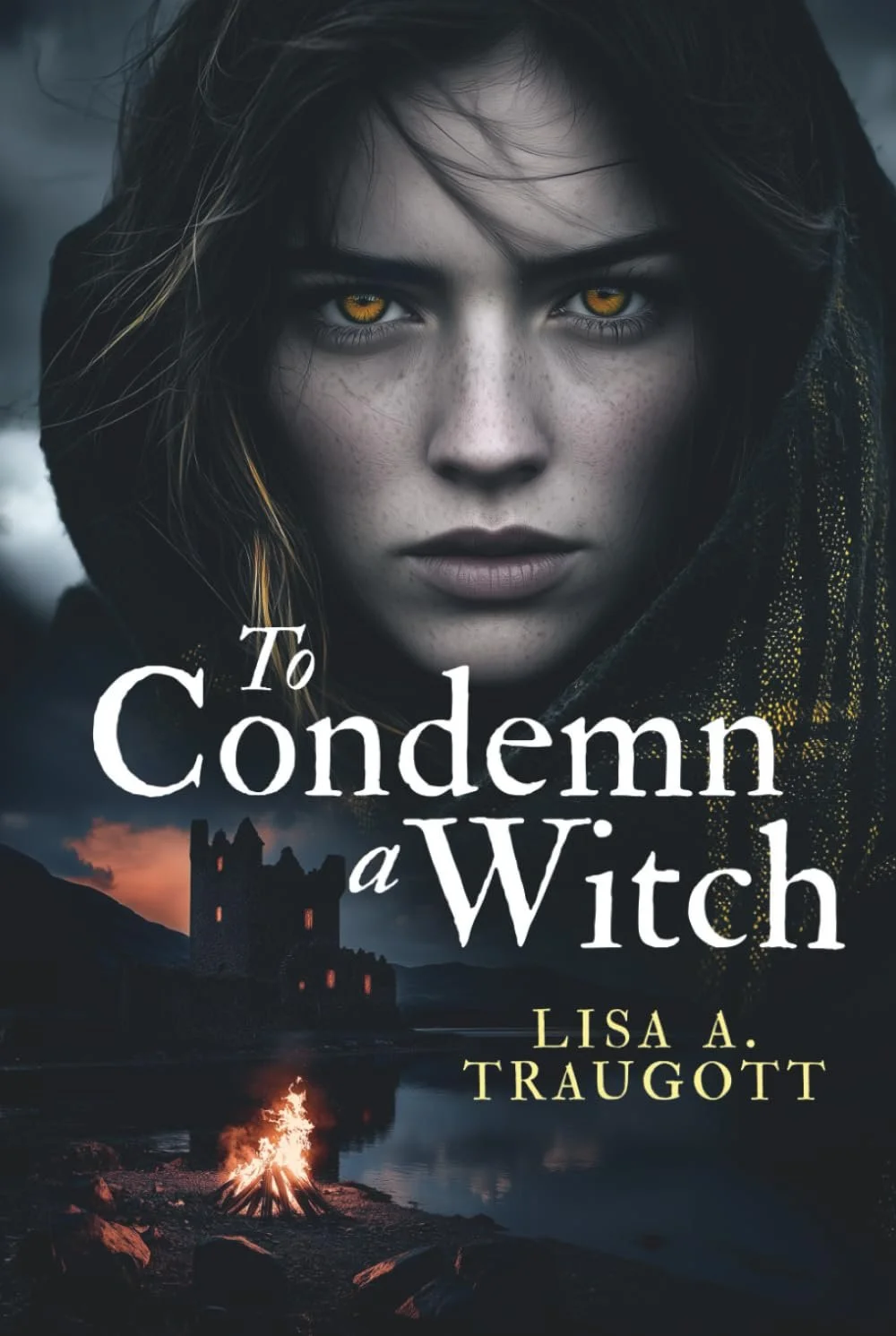
After several reports and some intense brainstorming in post-edit calls, Lisa A. Traugott achieved amazing results as a debut indie historical fiction author and is making a name for herself in her market.
‘Working with Kahina as a structural editor has been an amazing experience. For my first novel, To Rescue a Witch, she gave me a very detailed report of what did and didn’t work and (most helpfully) offered specific, actionable advice to improve the story.
This was followed up by a Zoom call where she answered my questions about the report. I found her report so useful, not only did I hire her for a follow-up report, I also hired her to edit the prequel, To Condemn a Witch.
My debut novel was named a finalist for a Next Generation Indie Book Award and the prequel became an Amazon bestseller. I HIGHLY recommend her editorial services and am looking forward to working with her again.’
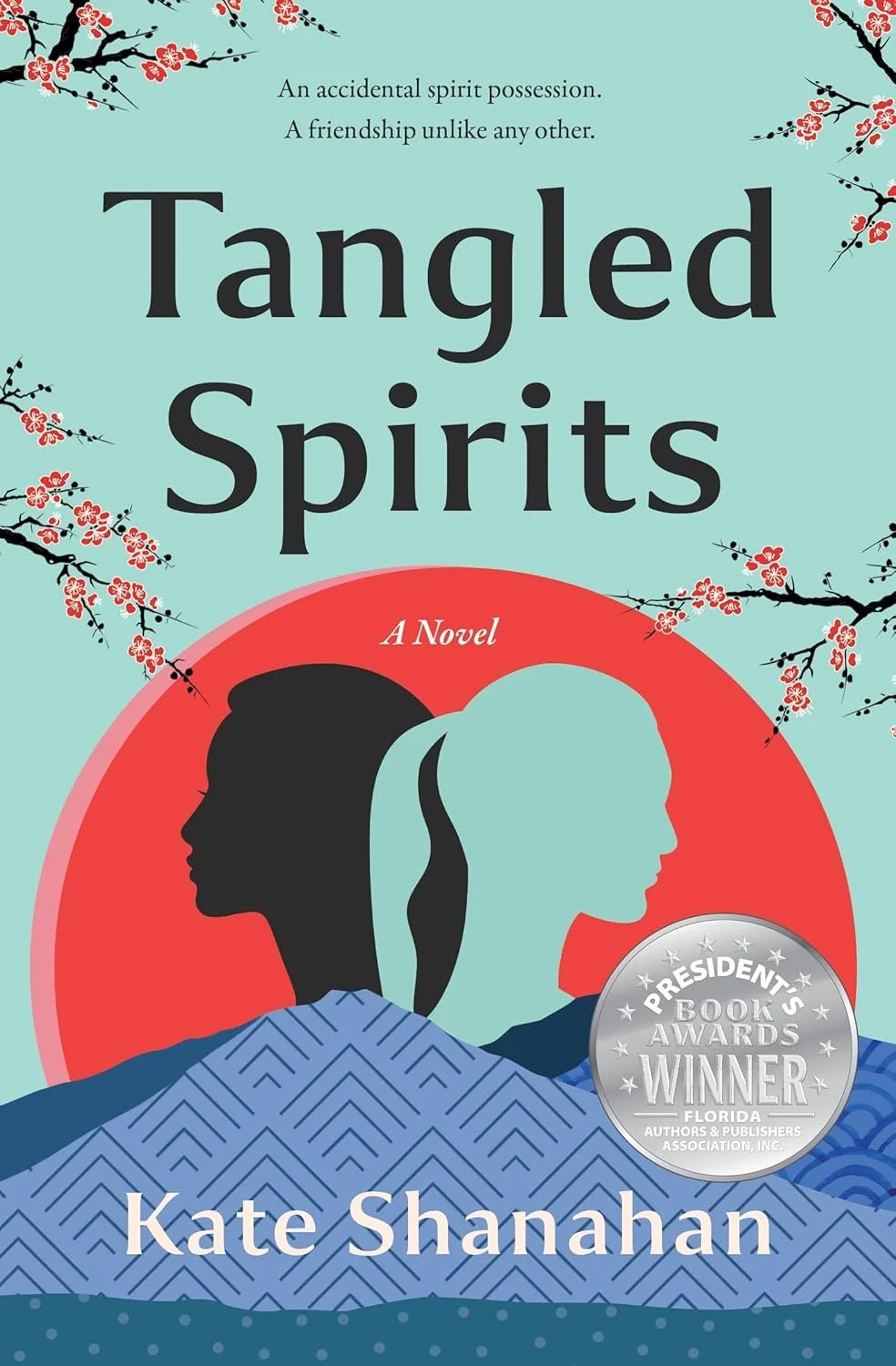
Multi-award-winning author Kate Shanahan worked with me on her debut series of time-travel historical fiction.
‘Kahina edited all three of my books. Her insight and advice helped me get my stories to be the best they can be. She provided actionable suggestions on specific plot, character, and world-building that have proven very helpful.
She not only advises on areas for improvement, but she also points out what is working well in the draft. I highly recommend Kahina’s editing services.’

What is the Developmental Assessment?
The Developmental Assessment is a deep, story-level evaluation of your complete manuscript. It looks at the draft you’ve written as a complete narrative system, identifying what’s working well and what’s holding it back from becoming the book it wants to be.
Here’s what you’ll receive.
I.
Two complete reads of your manuscript
I read your manuscript twice, cover to cover.
The first read is about experiencing the story as a reader would: tracking momentum, clarity, engagement, and emotional payoff.
The second read is analytical. This is where I examine structure, character arcs, pacing, and how the parts of the story interact as a whole.
Reading twice allows me to see not just what isn’t working, but why – and which issues are truly foundational versus downstream effects.
II.
A detailed editorial report (typically 10,000–15,000 words)
You’ll receive a comprehensive editorial letter that combines global analysis with more granular scene-level feedback.
This isn’t a high-level overview with vague suggestions, but a working document you can use throughout revision.
The report addresses questions such as:
Plot
Is the premise attention-grabbing and pitchable?
Is there a clear throughline holding the book together?
Is that throughline tense enough to sustain reader interest?
Do smaller plot arcs meaningfully contribute to the ending, or do they wander?
Is there a turning point?
Is the resolution satisfying and earned?
Characters
Is the cast the right size for the story?
Are there superfluous or overlapping characters?
Is the main character likable? (This doesn’t mean what writers often think it means!)
When a character has an arc, is the arc problem clearly established?
Does the arc develop through discernible steps?
Is there a turning point and resolution?
Are the most important character arcs working with the plot rather than alongside it?
How well do the relationship arcs work?
Setting
Are the historical elements rendered authentically? Does the worldbuilding have a cohesive theme?
Do readers get a clear sense of place?
Is description doing too little, too much, or the wrong kind of work?
Is the setting actively serving the story?
Writing quality
Is the prose clear and readable at the sentence level?
Are there recurring stylistic habits that interfere with immersion?
Where relevant, does the language feel historically appropriate without becoming stiff or inaccessible?
Alongside critique, I also identify strengths so you can understand what’s already working and consciously build on it during revision. Having a professional point out your talents is a key way to understand your unique signature as a writer.
And don’t worry, you won’t be lost in craft jargon. I explain all craft terms I use – or, if there’s not enough space, I provide curated links to articles that will teach you all about them.
Authors tell me this is the first time feedback has shown them how to be a better writer.
III.
A 60-minute follow-up consultation
After you’ve had time to read and digest the assessment, we’ll meet for a one-hour recorded call.
This is your space to:
ask questions,
test revision ideas,
clarify priorities,
and make sure you understand the reasoning behind the recommendations.
Revision decisions often feel overwhelming on the page. Talking them through with someone who knows your manuscript well can make the next steps feel far more manageable.
IV.
Optional continued support
If you want additional guidance after the included call, you can book further one-hour consultations at £110/hour.
There’s also an option to have a revised draft assessed at a reduced rate, once you’ve completed substantial revision.
Is the Developmental Assessment right for you?
The Developmental Assessment is for writers who:
Have a complete draft.
Are looking for story-level clarity, not line edits or cheerleading.
Understand that meaningful revision often requires revisiting structure, character function, and premise, not just polishing what’s already there.
Want feedback grounded in craft, genre knowledge, and reader experience, not personal taste.
Are willing to engage seriously with the manuscript as a whole, even if that means questioning decisions they’ve already invested a lot of time in.
In short: you’ve done the hard work of finishing a draft, and now you want expert guidance on how to turn it into a strong, coherent book.
This is probably not the right service if:
You’re still mid-draft or working primarily from an outline and feeling stuck. (The Story Structure Rescue is a better fit for that situation.)
You’re looking for line edits, copyediting, or other sentence-level polish.
You want reassurance more than analysis.
You’re not open to making substantive changes to structure, character arcs, or writing quality.
This work assumes you want to learn from the process, not just get this one draft polished and published at any cost.
‘working with Kahina improved both my debut novel and my overall craft as an author.’
As a debut author, it was important to me to find an editor that was broadly talented to help improve my writing, but who also had niche experience in my sub-genres to ensure my book was the best product it could be.
While I was waitlisted to work with Kahina, the experience was absolutely worth pushing my publishing timeline! Her thorough review of my manuscript brought out its strengths, my writing opportunities, as well as notes on selling points to consider in revisions.
While many independent authors choose to self-edit, working with Kahina improved both my debut novel and my overall craft as an author.
— C. L. Rhodes, author of Harem Lies, an ancient historical romance set in Sasanian Persia
‘I have never come across an editor who so intuitively understands the story I want to tell.’
I could never have got where I am without Kahina’s insightful and encouraging critiques.
They have been invaluable in helping me to recognise my strengths as a writer, work on the areas that need improvement, and produce stories that I am proud of.
I have never come across an editor who so intuitively understands the story I want to tell and invests so much to ensure the outcome is the absolute best it can be.

‘Kahina has served as my literary Gandalf.’
Over the course of nearly two years, Kahina has served as my literary Gandalf as I traversed the treacherous landscape of rewrites and revisions (and she made it fun!).
Her care and guidance have been invaluable to me as a first-time novelist, and I couldn’t be happier with how my manuscript has turned out.
I have grown so much as a writer, and I am truly grateful to have had my story in the hands of such a talented, capable editor!
— Jordan Toles, returning client with strong agent interest in his debut speculative fiction novel

The Investment
The Developmental Assessment is priced based on manuscript length.
GBP £1,200 for manuscripts up to 80,000 words
+ £100 for each additional 10,000-word bracket beyond that
(For example, a 90,001- to 100,000-word manuscript would incur a cost of £1,300.)
This includes:
Two full, attentive reads of your complete manuscript.
A detailed editorial report (typically 10,000–15,000 words) covering both global and chapter-level feedback.
A 60-minute follow-up call to discuss the report, clarify priorities, and talk through next steps.
Clear, craft-based guidance you can use not only for this revision, but for future work.
Deposit
A non-refundable deposit of £500 is due at booking. The remaining balance will be due the day before the edit begins.
You might be asking:
‘Why an editor? Why aren’t friends and family, critique partners, or beta readers my next step?’
Answer: Because this stage is where unfocused feedback becomes actively unhelpful.
Non-editors play important roles in a writer’s process.
But the support they offer is different and – as you’ve probably noticed – more limited.
Non-writer friends and family…
· Are rarely objective (they love you, and your relationship is more important to them than their opinions about your book).
· Don’t know the craft (usually).
· React mainly from personal preference (one classic example: your battle scenes are ‘too violent!’).
These are your cheerleaders, not your sources of feedback. They’re on your team to keep you going, unconditionally.
If your family and friends are fellow writers (or part of your target readership), lucky you! They might be great to have in your corner as beta readers.
Critique partners…
· Have been following your progress for so long that they can’t read your finished draft with fresh eyes (they know too much).
· Are likely at a similar level of craft development to you (meaning they can only help you so far).
· Comment on your writing more at the line level than at the story level (‘Beautiful metaphor!’ ‘This moment is so epic!’).
These are your journey companions, not your mentors.
They help you feel less alone in the lonely pursuit of writing, but they’ve got their own drafts and craft gaps to work on.
Beta readers…
· Struggle to explain why they liked or didn’t like something (or misdiagnose it).
· Aren’t obligated to propose solutions to the problems they identify (this is difficult work, and it’s not their job).
· Notice small-scale problems without seeing the bigger picture (‘This scene dragged’ instead of noticing that the scene is unnecessary because its relevance to the story’s throughline isn’t established.)
These are the ‘average readers’ on whom you test your book before releasing it into the arena of the marketplace, not replacements for editorial evaluation. You want them to react like typical readers, not like editors. These are two different frames of mind.
And across all of these groups, there’s a limitation writers often underestimate:
Many of these readers don’t regularly read your genre.
This is important. Feedback from someone who would probably never pick up your book if it wasn’t written by you can easily pull revision in the wrong direction. What they find too much, your real target readers may love!
Meaningful revision requires input from someone who speaks your genre’s language well enough to know what’s expected, what’s clichéd, and what’s genuinely original and exciting about your take on it.
Common misunderstandings about developmental editing
-
Copyediting is important. It signals professionalism and ensures clarity at the sentence level so the reading experience isn’t interrupted by pesky mechanical errors or clunky wording.
But it can only polish what’s already there: the story.
Story is what readers actually come for.
Few readers will abandon a compelling novel over a handful of typos. Many will abandon a beautifully copyedited story that doesn’t engage them.
And I say that as a copyeditor!
-
This belief usually comes from seeing editing as a repair service.
In reality, developmental editing is most useful when a manuscript has potential worth refining, not when it’s broken beyond recognition (though it’s useful then, too! The manuscript will simply require more rewriting and rounds of editing).
Strong drafts benefit from structure, proportion, and perspective just as much as weak ones.
In the traditional publishing world, all manuscripts go through developmental editing. Yes, even ones by big bestsellers and literary geniuses. It’s a normal and necessary stage in the professional writing process.
-
This fear is understandable. It’s also misplaced.
Great authors have always worked with editors to clarify their vision and ensure that vision survives the transition from imagination to page.
A developmental editor doesn’t write the book for you. They help you see what you’ve already written more clearly and decide what to do with it. The choices remain yours alone.
And by the time you’re done with all the work of revising with editorial input, you’ll laugh at the mere notion that this book isn’t yours.
-
Writers sometimes say this as a reaction to vague or poorly explained feedback they’ve received in the past.
Good developmental editing is argument-based. Every recommendation should be tied to storytelling function, reader experience, and the internal logic of the manuscript itself.
If a suggestion can’t be explained clearly, it doesn’t belong in a professional editorial report.
-
Taste is inevitably a factor, but it’s not the foundation of the work.
The Developmental Assessment relies on storytelling principles, structural logic, and reader psychology, all of which will be explained in the report where relevant.
In developmental editing, the goal isn’t to force the story into the editor’s personal mould, but to ensure it meets standards of both the current market and timeless narrative frameworks.
This is also why genre expertise is so important. A genre-savvy editor can read your work from the perspective of the typical reader who loves your kind of story – they don’t have to rely on their own taste to make judgments.
What happens next
Here’s how the booking process for the Developmental Assessment works.
I.
Apply via the button below.
You’ll start by filling out a short application to help me learn a bit about your manuscript and intentions.
II.
Schedule a 30-minute consultation.
I’ll be in touch to book your half-hour consultation. This is not a pushy sales call. It’s a chance for us to get to know each other, talk through your story and your goals, and make sure this service is the right fit for your stage. We’ll also discuss the edit timeline and any questions you have about the process.
If, for any reason, you’d prefer to proceed without the consultation, that’s completely okay. We can communicate over email.
III.
Book and submit.
If we both agree that the Developmental Assessment is a good fit, I’ll send you:
a booking form
a payment link for the £500 deposit (due immediately) and the remaining balance (due the day before the edit start date)
and instructions for submitting your manuscript
Manuscripts can be submitted as a Microsoft Word or PDF file or via Google Drive. Other formats may be accepted on a case-by-case basis.
IV.
Receive your report!
Once I’ve received your booking form, payment, and manuscript, I begin work on your assessment and report according to the agreed timeline. I typically complete a Developmental Assessment in 4-5 weeks from the agreed start date.
A clear next step
You’re already at the point most writers never reach: the finished draft. Now you’re deciding how to move forward.
You can keep circling the manuscript on your own – rereading, revising in pieces, hoping clarity emerges later.
Or you can pause once, look at the book as a whole, and get professional guidance on what actually matters next.
If you’re ready for a clear-eyed assessment of your manuscript and a thoughtful plan for revision, you can apply for the Developmental Assessment below.
Apply
If you’re interested in working with me, complete the form with a few details about your project. I’ll review your enquiry and get back to you within 48 hours.